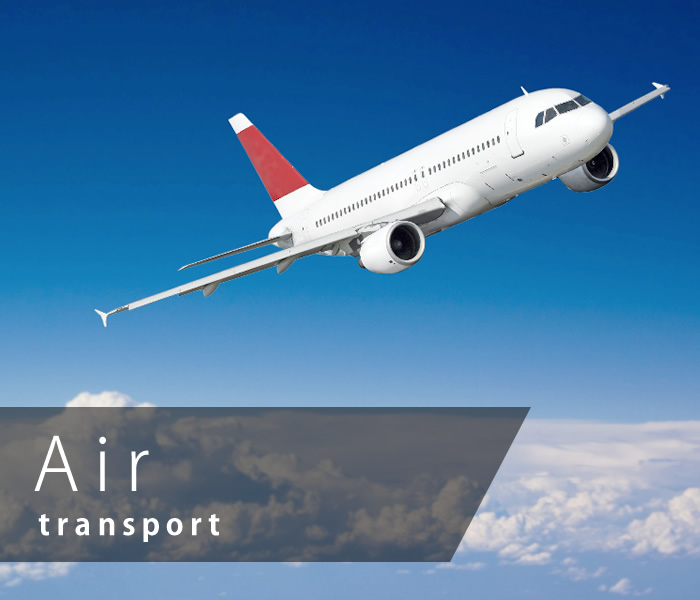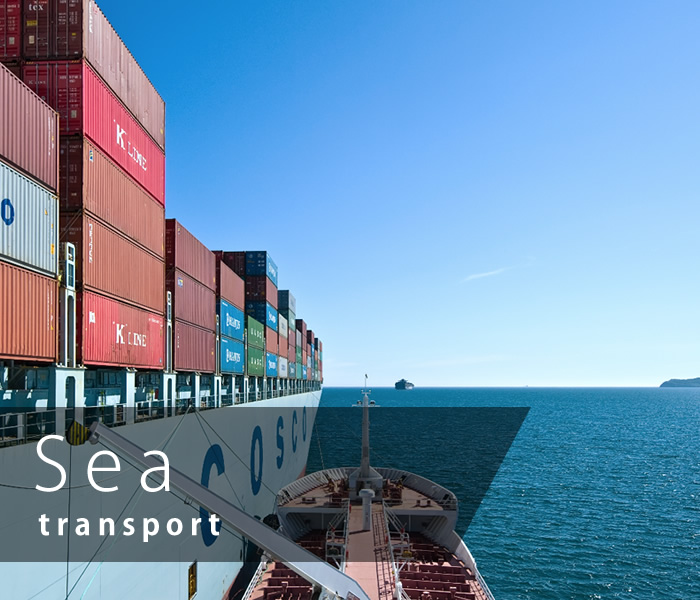

It refers to an area which is situated within a controlled district of an international seaport or airport approved by the Executive Yuan, where enterprises are allowed to engage in trading, warehousing, logistics, collecting and distributing (cargo or) containers, transiting, transshipment, forwarding, customs clearance, assembling, sorting, packaging, repairing, fabricating, processing, manufacturing, examining, testing, displaying or technological service, without subject to import and export regulations, customs requirements and other restrictions.
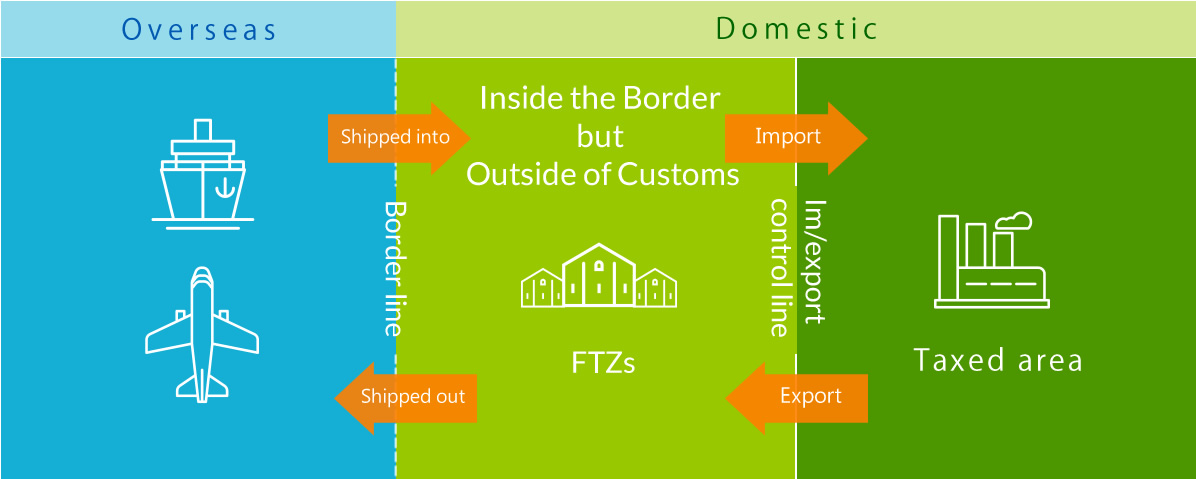

Inside the Border but Outside of Customs

Offering Tax Preferential

Allowing in-depth processing

Free Circulation of Goods

Autonomous Management

One-Stop Service

Exemption of deposit

No limit for storage period

Monthly consolidated declaration

No capital restriction

Convenience of commissioned processing
Restricted cargo from China allowed to be shipped into FTZs
Manufacturers allowed to be located in FTZs
Exemption of business tax
The enterprise goes through the establishment formalities on its own after renting a premises from the FTZ. Please refer to the Investment Information.
Work with the FTZ operating organization to build an exclusive warehouse or factory.
Share the FTZ premises with other enterprises, and start operation independently.
 |
 |
 |
 |
 |
 |
The Port of Kaohsiung was listed as a LME delivery port in June 2013, which can bring down warehousing and transportation costs and improve the efficiency of logistics and supply chains.
Cooperation between international and domestic warehouse operators
 |
 |
 |
 |
 |
 |
 |
 |